When Can You Eat After a Filling? Timing & Foods
Most people can eat after a filling once the local anaesthetic numbness has completely worn off. Numbness commonly lasts around 2–3 hours, although the duration varies between patients. Composite fillings are cured with a dental light during treatment, while amalgam fillings require additional time to harden. Soft foods, such as yoghurt, porridge, and scrambled eggs, can reduce chewing discomfort when sensitivity remains. Very hot, hard, or sticky foods require greater caution immediately after treatment. Persistent pain, an uneven bite, or a loose filling requires dental assessment.
How Long After a Filling Can You Eat?
You can usually eat after a filling once the local anaesthetic numbness has completely worn off. The exact timing depends on the anaesthetic, filling material, and dentist's instructions. Light-cured composite fillings are hardened during treatment, so eating usually depends on the return of normal sensation. Amalgam fillings continue to harden after placement, so direct chewing on the treated tooth requires greater caution. Yourdental fillings treatment can therefore have different eating instructions depending on the restoration used.
There is no single waiting period for every filling. If numbness remains after 2 hours, wait until normal sensation returns before eating.
Why Does Numbness Affect Eating After a Filling?
Numbness affects eating because local anaesthetic temporarily reduces sensation in the mouth. This reduced sensation makes accidental biting of the lips, cheeks, and tongue more likely. It also reduces awareness of food temperature, increasing the risk of burns from hot foods and drinks. Waiting until normal sensation returns allows safer chewing and better temperature awareness.
How Long Does Numbness Last After a Filling?
Local anaesthetic numbness commonly lasts around 2–3 hours, although the duration varies between patients. The effect gradually decreases as normal sensation returns. Treatment location, anaesthetic type, and the amount administered can affect how long numbness persists.
Can You Eat While Your Mouth Is Numb?
Eating while your mouth remains numb is best avoided because reduced sensation increases the risk of injury. You can accidentally bite your lip, cheek, or tongue without noticing. Hot foods and drinks also pose a burn risk because temperature sensation is reduced.
How Long Should You Wait With Different Filling Materials?
The eating advice differs between composite, amalgam, and temporary fillings because their setting characteristics differ. Light-cured composite fillings are hardened during treatment, so numbness usually determines when eating can begin. Amalgam continues to harden after placement, so direct chewing on the treated tooth requires greater caution. Temporary fillings have material-specific restrictions, so the dentist's instructions take priority.
Filling type | Eating consideration |
Composite filling | Hardened during treatment; wait until normal sensation returns before eating. |
Amalgam filling | Avoid direct biting on the restoration for up to 24 hours while it hardens. |
Temporary filling | Follow the dentist's instructions because setting characteristics and restrictions vary. |
Setting time and safe eating time are not the same thing. A composite filling can be hardened while the mouth remains numb. The University of Bristol advises avoiding direct biting on an amalgam filling for 24 hours while it fully hardens.
What Can You Eat After a Filling?
Soft foods are suitable after a filling when normal sensation has returned and chewing feels comfortable. Examples include yoghurt, scrambled eggs, porridge, mashed potato, soft pasta, and lukewarm soup. Softer textures reduce chewing demands when the treated tooth remains tender. Very hot foods can also increase discomfort when temporary sensitivity is present.
What Are the Best Foods to Eat After a Filling?
Choose foods that require minimal chewing and feel comfortable against the treated tooth. Examples include yoghurt, porridge, scrambled eggs, mashed potato, soft pasta, and cooked vegetables. Lukewarm foods can be more comfortable when hot or cold temperatures trigger sensitivity.
What Foods Should You Avoid After a Filling?
Avoid hard or sticky foods when the tooth remains sensitive or the filling has specific setting restrictions. Examples include nuts, ice, hard sweets, caramel, toffee, and chewing gum. These foods can place greater mechanical or pulling forces on a recent restoration.
Can You Drink After a Filling?
You can drink after a filling once you can safely control your mouth, but avoid very hot drinks while numb. Room-temperature or lukewarm water is suitable while normal sensation returns. Tea and coffee can cause burns when consumed very hot during numbness. Cold drinks can trigger temporary sensitivity in some treated teeth. Alcohol does not determine the standard eating waiting period, so follow any specific instructions from your dentist.
Is Sensitivity Normal When Eating After a Filling?
Mild sensitivity to hot, cold, or sweet foods can occur temporarily after a filling. The treated tooth can also feel tender when chewing during the early period after treatment. These symptoms generally become less noticeable as the tooth settles. Severe, persistent, or worsening symptoms require dental assessment, particularly when pain occurs during biting. If discomfort continues or becomes more severe, the dentist can assess the underlyingfilling pain and determine whether further treatment is required.
What Happens If You Eat Too Soon After a Filling?
Eating too soon does not automatically damage a filling, but it can increase specific risks while numbness or material restrictions remain. Eating while numb increases the risk of biting the lip, cheek, or tongue. Very hot foods and drinks can cause burns when temperature sensation is reduced. Hard foods, such as nuts, ice, and hard sweets, can place greater forces on a recent restoration.
Can You Brush and Floss After a Filling?
You can generally brush and floss after a filling without waiting for a separate recovery period. Use a gentle brushing technique around the restored tooth if the area feels tender. Floss carefully around the filling to remove plaque and food debris. Continue normal oral hygiene unless your dentist gives different instructions.
When Should You Contact a Dentist After a Filling?
Contact your dentist if pain becomes severe, continues to worsen, or occurs strongly when biting. An uneven bite can indicate that the restoration requires adjustment. A loose or lost filling also requires dental assessment. Swelling, particularly when accompanied by significant pain, requires prompt dental attention.
Frequently Asked Questions About Eating After a Filling
Can I Eat 2 Hours After a Filling?
You can eat after 2 hours if normal sensation has returned and your dentist has not given additional restrictions. Two hours is not a universal waiting period. The filling material, local anaesthetic, and treatment instructions determine when eating is appropriate.
Can I Eat Breakfast After a Filling?
You can eat breakfast once the numbness has worn off and the tooth feels comfortable. Choose softer foods if chewing causes tenderness. Examples include yoghurt, porridge, scrambled eggs, and soft toast.
Can I Eat Ice Cream After a Filling?
You can eat ice cream after a filling, but cold temperatures may trigger temporary sensitivity. If the treated tooth reacts strongly to cold, choose a less-cold food until the sensitivity improves.
Can I Eat Chocolate After a Filling?
You can eat soft chocolate after a filling when normal sensation has returned. Avoid sticky or very hard chocolate products if the tooth remains tender or your dentist has given material-specific restrictions.
Can Food Get Stuck Around a New Filling?
Food can collect around a newly restored tooth, particularly if the contact between neighbouring teeth feels different. Gentle brushing and flossing can remove trapped food. Persistent food trapping requires dental assessment because the restoration may need adjustment.
Related Post

Fear of dental visits is a widespread concern that impacts countless individuals across the globe. The idea of going to the dentist can evoke feelings of dread, nervousness, and even panic.
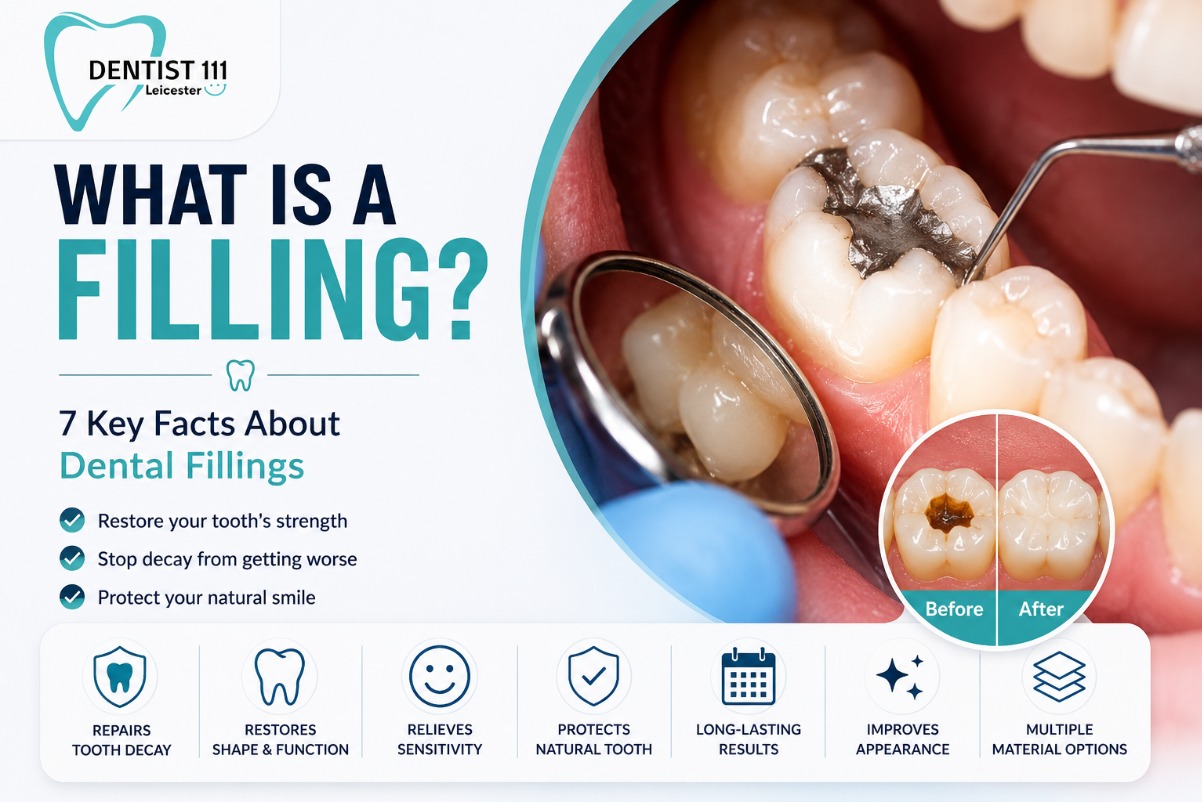
A dental filling restores tooth structure lost through decay or minor damage. Learn what fillings do, when they’re needed, the materials used, what to expect after treatment, and how long they can last.