Severe Tooth Decay
Extensive decay can weaken a tooth and affect its ability to function. If the tooth cannot be restored with a suitable filling, root canal treatment or another restoration, extraction may be considered.
Need a tooth extraction in Leicester? Dentist 111 Leicester provides dental assessments to determine whether a damaged, decayed or problematic tooth needs to be removed.
Whether you have a painful tooth, extensive decay, a broken tooth or another dental concern, your dentist will examine the affected area and explain the available treatment options before recommending extraction.
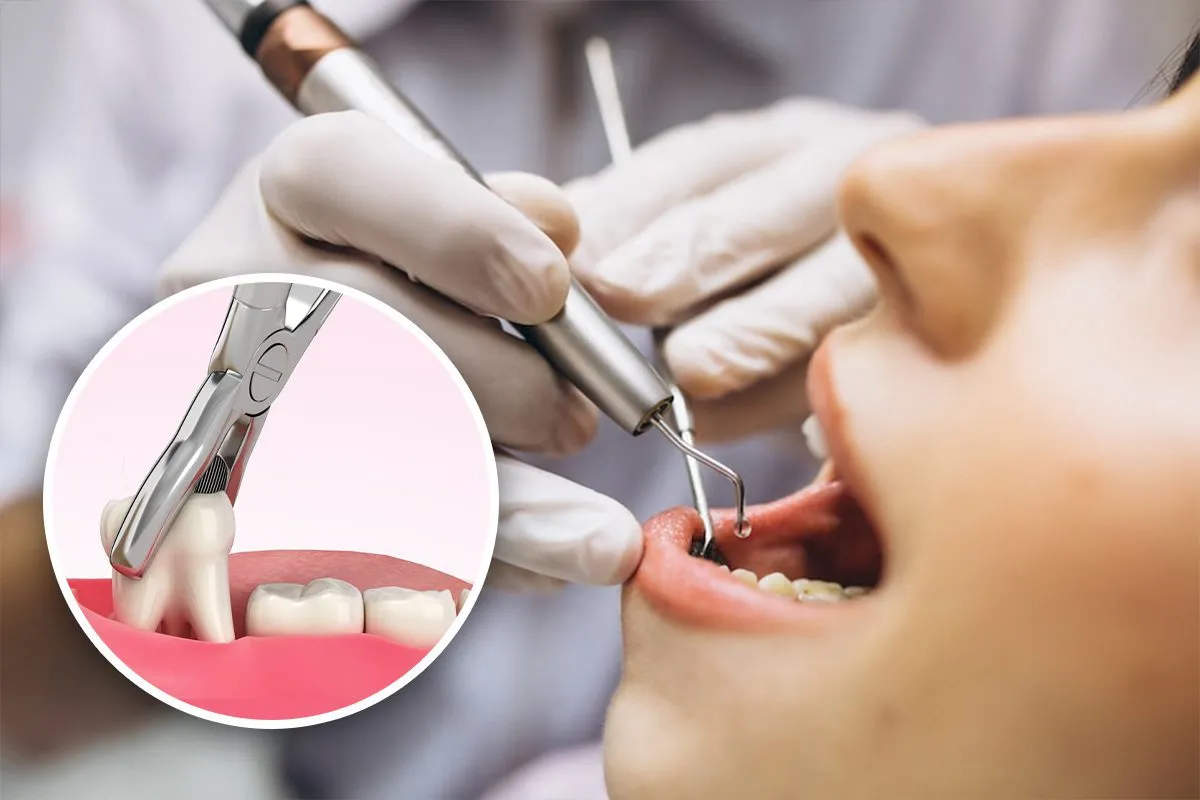
A tooth extraction may be recommended when a tooth is too damaged to restore, when infection cannot be managed by preserving the tooth, or when removing it is the most appropriate option following a clinical assessment.
Common reasons for considering tooth extraction include:
Extensive decay can weaken a tooth and affect its ability to function. If the tooth cannot be restored with a suitable filling, root canal treatment or another restoration, extraction may be considered.
A badly broken or fractured tooth may not have enough healthy structure remaining for successful restoration. Your dentist will assess the extent of the damage and explain whether the tooth can be repaired or needs to be removed.
An infection affecting a tooth may require treatment to address its source. Depending on the condition of the tooth, options may include root canal treatment or extraction.
A significantly loose adult tooth may be associated with gum disease, injury or other dental problems. An examination helps establish the cause and whether the tooth can be preserved.
Severe or persistent toothache can have several causes. Extraction is not always necessary, so the tooth should be examined before a treatment decision is made.
Wisdom teeth can sometimes cause pain, repeated inflammation, infection or damage to neighbouring teeth. Removal may be considered when clinically indicated.
If you have severe pain, facial swelling or signs of infection, seek prompt dental advice. If swelling causes difficulty breathing or swallowing, call 999 or seek emergency medical care immediately.
Not every painful, broken or decayed tooth needs to be removed. Where possible and clinically appropriate, preserving a natural tooth may be an option.
Depending on the diagnosis, your dentist may discuss:
Your dentist will examine the tooth, consider its condition and may recommend dental X-rays when clinically indicated. You can then discuss the benefits, limitations, costs and alternatives before deciding how to proceed.

The cost of tooth extraction depends on the tooth being removed, the complexity of the procedure and the treatment required.
Contact Dentist 111 Leicester to confirm what the advertised £199 starting price covers, including whether the assessment, X-rays, local anaesthetic and any follow-up appointments are included or charged separately.
If a more complex procedure is required, the dentist should explain the applicable fee before treatment begins.
The procedure depends on the condition and position of the tooth. Your dentist will explain the planned treatment and answer your questions before proceeding.
Your dentist examines the tooth and surrounding gums, reviews your symptoms and considers any relevant medical history.
The dentist explains why extraction may be appropriate, discusses alternatives where available and outlines the expected costs.
Local anaesthetic is normally used to numb the affected area during a routine extraction. You may feel pressure during the procedure, but you should tell your dentist if you experience pain.
Once the area is numb, the dentist carefully removes the tooth using the appropriate technique. The procedure depends on the tooth's position, condition and root structure.
After removal, the dentist checks the area and gives instructions to help a blood clot form and protect the socket. Stitches may be needed in some cases.
Your dentist explains how to care for the extraction site, what to expect during recovery and when to seek further advice.
The type of extraction required depends on the position of the tooth and how easily it can be removed.
A simple extraction may be suitable when the tooth is visible in the mouth and can be removed without a surgical procedure.
It may be considered for a tooth that is extensively decayed, damaged or otherwise unsuitable for restoration.
A surgical extraction may be required when a tooth is broken at the gum line, difficult to access or not easily removed using a straightforward technique.
The procedure may involve an incision in the gum or other steps to access and remove the tooth.
Some soreness, minor bleeding and swelling can occur after an extraction. The level of discomfort and recovery time vary depending on the tooth, the procedure and your individual circumstances.
Your dentist will provide instructions specific to your treatment.
Contact your dentist if pain or swelling worsens, you develop concerning new symptoms, or you are worried about how the extraction site is healing.
Seek urgent dental advice for significant bleeding or severe pain that is not improving. If bleeding is heavy and cannot be controlled, or swelling causes difficulty breathing or swallowing, seek emergency medical care.
Your dentist can explain what is expected during recovery and when a review may be necessary.
Tooth extraction is a common dental procedure, but complications can sometimes occur.
These may include:
The risks vary according to the tooth being removed and your medical circumstances. Your dentist will discuss relevant risks and aftercare with you before treatment.
Dentist 111 Leicester provides dental assessments at 146 Melton Road, Leicester.
When considering an extraction, patients should have the opportunity to understand their diagnosis, treatment choices and costs before proceeding.
The practice can discuss:
Assessment before treatment: Understand the condition of the affected tooth.
Treatment alternatives: Discuss whether preserving the tooth is possible and appropriate.
Clear treatment costs: Ask about the expected fee before agreeing to treatment.
Explanation of the procedure: Understand the steps involved and the aftercare required.
Support for nervous patients: Let the dental team know if you feel anxious about dental treatment.
Follow-up guidance: Understand what to expect during recovery and when to seek further advice.
Dentist 111 Leicester is located at:
Patients looking for tooth extraction in Leicester can contact the practice to discuss their symptoms, assessment options and appointment availability.
Nearby areas include Belgrave, Rushey Mead, Beaumont Leys, Hamilton, Birstall and Evington.
Contact the practice if you need directions or information about access before travelling.
Concerned about a painful, broken or severely decayed tooth?
Contact Dentist 111 Leicester to arrange an assessment and discuss whether extraction is the appropriate treatment for your tooth.
Your dentist can explain the available options, expected costs and what to expect before and after treatment.
Depending on your symptoms and treatment needs, you may also wish to explore:
— for urgent toothache, swelling, dental injuries and other urgent problems.
— when an infected or inflamed tooth may be preserved through root canal treatment.
— for suitable cavities and teeth affected by decay or minor damage.
Dentist111 Leicester offering same-day appointments starting from £49. Need urgent dental care or have questions? Contact us today to book your appointment and receive expert dental services in Leicester.
Monday : 6:30AM - 11:30PM
Tuesday : 6AM - 11:30PM
Wednesday : 5AM - 11:30PM
Thursday : 5:30AM - 11:30PM
Friday : 5AM - 11:30PM
Saturday : Open 24 hours
Sunday : Open 24 hours